.png)
Maintenance Tips To Keep Your MaxxForce Engine Running
Protect your MaxxForce engine with essential maintenance practices covering oil, coolant, fuel, EGR, DPF, DEF, diagnostics, and preventive service.
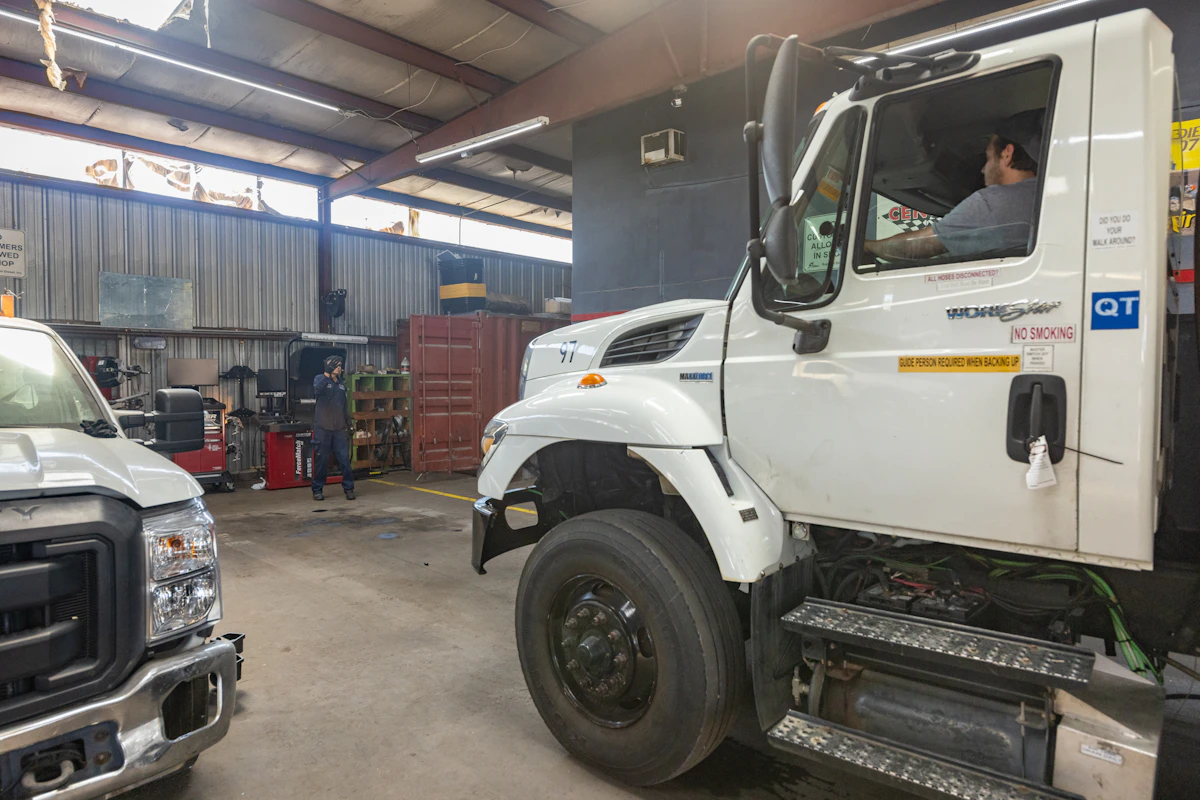
A MaxxForce engine can put in a lot of hard miles, but it needs consistent care to stay dependable. Heat, soot, contaminated fluids, neglected filters, and small leaks can all chip away at engine life. Ignore those warning signs long enough, and a minor maintenance issue can snowball into a major repair.
That is why MaxxForce engine maintenance should focus on prevention rather than reaction. Routine inspections, proper fluid service, clean air and fuel delivery, and close attention to the emissions system can help you spot problems before they sideline your truck.
Whether you operate a single work truck or manage an entire fleet, these maintenance practices can help protect performance, reliability, and uptime.
Stay Consistent With Engine Oil Changes
Engine oil has one of the toughest jobs inside your MaxxForce engine. It lubricates moving parts, reduces friction, helps manage heat, and protects internal surfaces from premature wear.
Over time, oil becomes contaminated with soot, combustion byproducts, and microscopic debris. As contamination increases, the oil may lose some of its ability to protect bearings, crankshaft components, and other high-load parts.
Check your oil level regularly and follow the recommended service interval for your specific engine and operating conditions. Severe-duty use, excessive idling, dusty environments, and frequent stop-and-go driving may justify closer monitoring.
Pay attention to more than the dipstick level. Watch for unusual oil consumption, visible leaks, sudden pressure changes, or oil that appears contaminated.
Maintaining proper diesel engine oil pressure is especially important. Diesel engines rely on pressurized lubrication to protect components such as crankshaft bearings. A loss of oil pressure can quickly lead to catastrophic internal damage.
Keep the Cooling System Healthy
Heat is the enemy of nearly every major diesel engine component.
Your cooling system moves coolant through the engine to absorb heat, then carries it to the radiator, where airflow releases it into the surrounding air. A water pump keeps coolant circulating, while the radiator and cooling fan help regulate engine temperature.
For dependable MaxxForce engine maintenance, inspect the engine cooling system regularly.
Look for:
- Low coolant levels
- Cracked or deteriorated hoses
- Coolant leaks around fittings and connections
- Radiator blockage
- Water pump leaks or unusual noises
- Fan clutch problems
- Repeated overheating
Do not assume topping off coolant solves an ongoing loss. If coolant keeps disappearing, find the cause.
Coolant also degrades with age and heat exposure. Make sure to follow a proper service schedule to keep coolant in check. Always use coolant that meets the engine manufacturer’s specifications. Mixing incompatible coolant types can create additional problems.
Inspect the Air Intake and Turbocharging System
Diesel engines need a steady supply of clean air for proper combustion. A dirty air filter can restrict airflow, while leaks downstream of the filter can allow dirt to reach sensitive engine components.
Inspect your diesel air filter and intake plumbing during routine services. Replace filters when required rather than waiting until airflow becomes severely restricted.
You should also inspect boots, clamps, charge-air piping, and connections around the turbocharger and intercooler. A loose clamp or split hose can cause boost loss, reduced power, excessive smoke, and poor fuel economy.
Turbochargers operate at extremely high speeds and temperatures, so clean oil and proper lubrication matter here too. Oil starvation, contamination, or overheating can shorten turbocharger life considerably.
If you hear new whistling, scraping, or siren-like noises under boost, do not brush them off.
Maintain the Fuel System
A healthy diesel engine depends on clean, properly delivered fuel.
Fuel contamination can damage pumps and injectors, while restricted filters can reduce fuel flow and affect engine performance. Water contamination is especially troublesome because it can contribute to corrosion and poor combustion.
Include diesel fuel filter replacement in your preventive maintenance routine and drain water separators when applicable.
Watch for symptoms such as:
- Hard starting
- Rough idle
- Hesitation
- Loss of power
- Misfires
- Excessive smoke
- Poor fuel economy
Fuel injectors deliver precisely metered fuel into the combustion chamber. When injector performance deteriorates, combustion quality can suffer quickly.
Address fuel-related symptoms early instead of assuming the engine will simply “work through it.”
Pay Close Attention to the EGR System
MaxxForce engines rely heavily on emissions-control components, including the EGR system.
Exhaust gas recirculation sends a controlled portion of exhaust back into the combustion process to help reduce combustion temperatures and nitrogen oxide emissions. The system depends on components such as the EGR valve and EGR cooler.
Soot and carbon accumulation can interfere with airflow and valve movement over time.
Symptoms of EGR system problems may include rough running, reduced power, increased fuel consumption, warning lights, or emissions-related fault codes.
Cooling-system health matters here as well because the EGR cooler depends on effective heat transfer. An unresolved cooling issue can create problems beyond simple engine overheating.
Do Not Ignore DPF and Aftertreatment Maintenance
The diesel particulate filter captures soot before it leaves the exhaust system. Once soot accumulation reaches a certain point, the engine initiates regeneration to raise exhaust temperature and burn off much of that trapped material.
Problems arise when regeneration fails or the system experiences repeated faults.
Frequent short trips, long periods of low-load operation, failed sensors, engine problems, and excessive soot production can all contribute to DPF regeneration problems.
If your truck repeatedly requests regeneration or displays aftertreatment warnings, investigate the underlying cause. Repeatedly forcing regenerations without correcting the source of excessive soot may only mask a larger problem.
Also remember that the DPF is only one part of the emissions system. The diesel oxidation catalyst, SCR system, DEF delivery components, sensors, and exhaust plumbing all work together.
Use the Correct DEF and Keep It Clean
Diesel Exhaust Fluid supports the selective catalytic reduction system by helping convert nitrogen oxide emissions into nitrogen and water vapor.
Standard DEF is a solution containing 32.5% urea and 67.5% deionized water.
Contaminated or improper DEF can create costly aftertreatment problems. Keep DEF containers sealed, use clean dispensing equipment, and keep dirt, fuel, oil, and coolant out of the DEF tank.
If the truck displays SCR system fault codes, take them seriously. Problems involving DEF quality, dosing, temperature sensors, or NOx sensors can eventually affect engine performance and may trigger derate strategies.
Watch the ECM for Early Warning Signs
Modern diesel engines rely on an Engine Control Module to monitor and manage numerous operating conditions.
That means warning lights and diagnostic trouble codes can give you an early look at developing issues.
Do not make a habit of clearing codes without diagnosing them. A recurring fault may point toward a sensor problem, wiring issue, emissions-system malfunction, fuel-delivery concern, or mechanical problem.
Professional diesel engine diagnostics can help identify the root cause before replacing parts unnecessarily.
Data such as coolant temperature, boost pressure, fuel pressure, exhaust temperature, and regeneration history can also provide valuable clues.
Build Preventive Maintenance Around How You Actually Drive
No one-size-fits-all maintenance schedule fits every truck.
A MaxxForce engine that spends its life cruising at highway speed experiences different conditions from one that idles for hours, makes frequent deliveries, hauls heavy loads, or works on dusty job sites.
If you’re looking to extend your engine's life, keep up with preventive maintenance as a systematic process of inspecting and servicing a truck before minor issues become major failures.
Build your diesel preventive maintenance routine around actual duty cycles. Track oil changes, filter replacement, coolant service, fault-code history, regeneration frequency, fluid consumption, and recurring repairs.
Those records can reveal patterns that are easy to miss between service visits.
Know When a Small Symptom Deserves Immediate Attention
Some engine problems give you plenty of warning. Others do not.
Shut the truck down and investigate promptly if you notice severe overheating, sudden oil-pressure loss, heavy knocking, major coolant loss, runaway temperature increases, or significant changes in engine sound.
Even less dramatic symptoms deserve attention if they keep returning.
A truck that suddenly uses more coolant, regenerates more often, loses boost, starts harder, or burns more fuel is telling you something has changed.
Catching that change early is the heart of good MaxxForce engine maintenance.
Protect Your MaxxForce Before Problems Get Expensive
Routine maintenance cannot prevent every mechanical failure, but it can dramatically reduce avoidable ones. Clean oil, proper coolant, unrestricted airflow, clean fuel, healthy emissions components, and regular diagnostics all work together to protect your engine.
If your MaxxForce-powered truck is showing warning lights, overheating, losing power, struggling with regeneration, or due for preventive maintenance, Performance Diesel in Jackson, GA can help you catch problems before they become bigger repairs. Schedule an inspection and keep your truck ready for the road.
Contact Performance Diesel
Performance Diesel provides experienced diesel mechanic service for medium, heavy-duty truck, & commercial fleet repairs, both in-shop in Jackson, GA & via mobile service to the surrounding areas. Contact us today with any questions, to request a quote, and to schedule service.


